Topics
|
Single-Chain Polymer Nanoparticles |
Single-chain polymer nanoparticles (SCNPs) are a type of polymer-based nanoparticle that are formed from a single polymer chain, rather than from the assembly of multiple polymer chains. This unique structure gives SCNPs distinct properties that are not observed in traditional polymer nanoparticles. The synthesis of SCNPs typically involves folding a long polymer chain onto itself through the use of chemical crosslinkers or physical interactions, such as hydrogen bonding or π-π stacking. This folding process results in the formation of a compact, globular structure that resembles a traditional nanoparticle. One of the major advantages of SCNPs is their ability to provide precise control over the size and shape of the nanoparticle. Because they are formed from a single polymer chain, their size and shape can be tuned by altering the length and composition of the polymer chain, as well as the folding conditions. This precise control allows for the creation of highly uniform nanoparticles with consistent properties. Another advantage of SCNPs is their ability to mimic the behavior of biological molecules. The globular structure of SCNPs resembles that of proteins, which allows them to interact with biological systems in a similar way. This makes them promising candidates for drug delivery applications, as they can potentially be designed to target specific cells or tissues. Additionally, SCNPs have been shown to exhibit unique physical and chemical properties that are not observed in traditional polymer nanoparticles. For example, the single-chain nature of SCNPs results in a high surface area-to-volume ratio, which can enhance their reactivity and responsiveness to stimuli. This can be exploited for a variety of applications, including sensing and catalysis. Overall, the unique properties of SCNPs make them a promising area of research for a wide range of applications, including drug delivery, catalysis, and sensing. |
|
Polymer Micelles
|
Polymer micelles are tiny structures made of self-assembled polymer chains that form a spherical shape in aqueous solution. These structures have a hydrophobic core surrounded by a hydrophilic outer shell, which makes them useful for delivering drugs or other therapeutic agents to specific parts of the body. The hydrophobic core of a polymer micelle can be loaded with a drug or other active agent, while the hydrophilic outer shell provides stability and allows the micelle to remain suspended in water. The size of the micelle can be adjusted by varying the length of the polymer chains, allowing for precise control over the release rate and localization of the active agent. One of the major advantages of polymer micelles is their ability to target specific tissues or cells. This can be achieved by attaching targeting ligands to the outer shell of the micelle, which will bind to receptors on the surface of the target cells. This targeted delivery system can increase the efficacy of the drug while minimizing side effects. Polymer micelles also have a number of other advantages over traditional drug delivery systems, including improved solubility, increased stability, and reduced toxicity. They are currently being investigated for a wide range of applications, including cancer therapy, gene delivery, and imaging. Overall, polymer micelles are a promising platform for drug delivery and other biomedical applications. As research in this area continues, it is likely that new and innovative uses for polymer micelles will emerge, making them an important tool in the development of new therapies and treatments. |
|
Photodynamic Therapy |
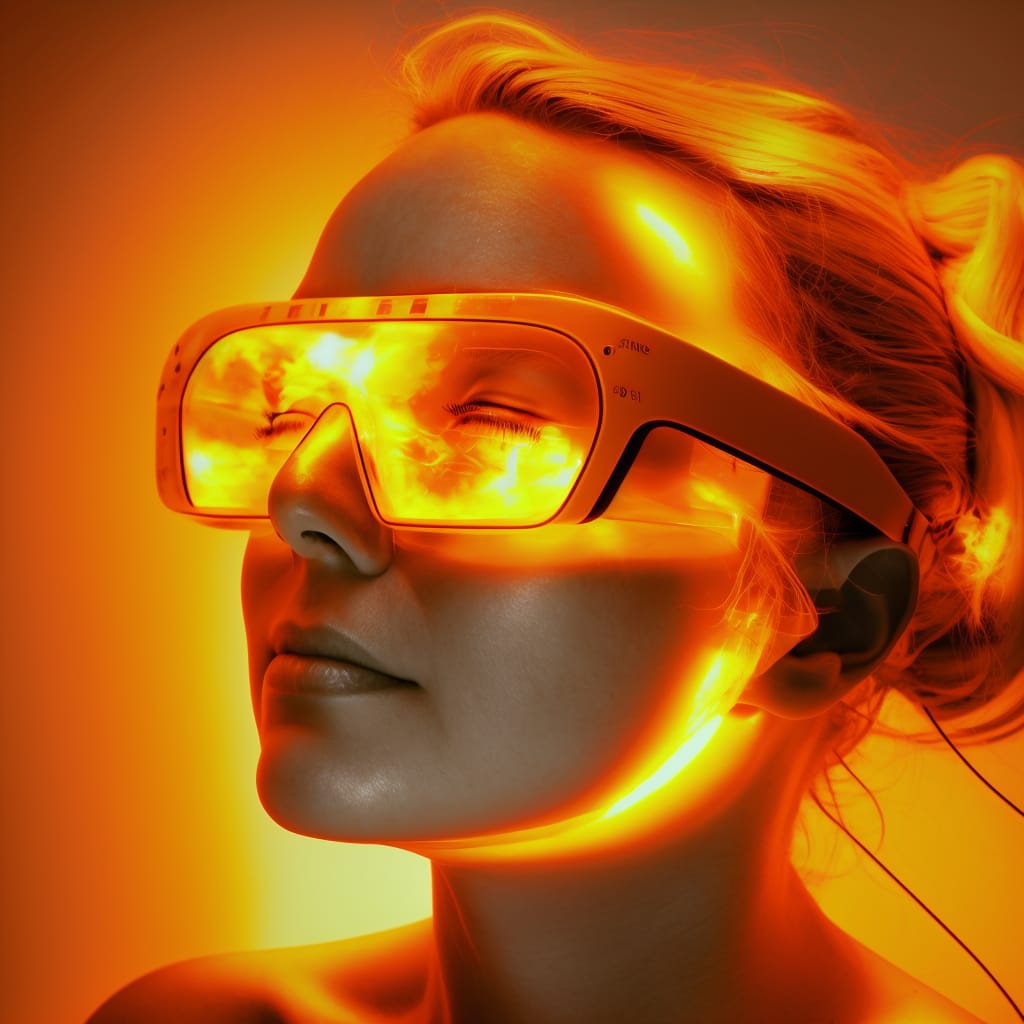
Photodynamic therapy (PDT) is a medical treatment that uses a combination of a photosensitizing agent, light, and oxygen to treat various medical conditions, including cancer and skin diseases. The process involves the administration of a photosensitizing agent, which is selectively absorbed by targeted cells, followed by the application of a specific wavelength of light, which activates the photosensitizer and generates reactive oxygen species, leading to the destruction of the targeted cells.
PDT has several advantages over traditional cancer treatments such as surgery, radiation, and chemotherapy. It is a non-invasive procedure, and unlike radiation and chemotherapy, it does not cause significant damage to healthy tissue. Additionally, it can be used repeatedly in the same area, and it has minimal side effects. Photosensitizers used in PDT are typically organic molecules or metal complexes that absorb light in the visible or near-infrared regions of the electromagnetic spectrum. Common photosensitizers used in PDT include porphyrins, chlorins, phthalocyanines, and aminolevulinic acid (ALA). In addition to these traditional photosensitizers, researchers are also exploring the use of newer types of photosensitizers, such as nanoparticles, which can improve the selectivity and efficacy of PDT. For example, nanoparticles can be functionalized with targeting moieties that selectively bind to cancer cells, improving the specificity of the therapy. |
| Light Responsive Polymers |
Light-responsive polymers, also known as photoresponsive polymers, are materials that change their properties in response to light. These polymers have the ability to undergo reversible or irreversible changes in their shape, size, and/or optical properties upon exposure to light of a specific wavelength or intensity. The changes can be induced by various mechanisms, including photoisomerization, photo-crosslinking, photo-rearrangement, and photodimerization. One of the most common types of light-responsive polymers are azobenzene-based polymers. These polymers contain azobenzene groups, which can undergo trans-cis isomerization upon exposure to light. This reversible process leads to changes in the polymer's shape and/or optical properties, making it useful in a variety of applications, such as in the development of smart materials, responsive coatings, and sensors. Coumarin-based light responsive polymers are another type of smart materials that can undergo reversible photochemical reactions upon exposure to light. These polymers contain coumarin molecules, which are a type of organic compound that absorbs light in the ultraviolet and visible regions of the electromagnetic spectrum. Light-responsive polymers also have potential applications in the field of biomedicine. For example, they can be used as drug delivery systems, where the release of the drug is triggered by light. They can also be used as biomaterials for tissue engineering and regenerative medicine, where the polymer's properties can be modulated by light to promote cell growth and differentiation. |
| Controlled Polymerization Techniques | Controlled polymerization techniques refer to a set of methods that allow for the precise control of the molecular weight and architecture of polymers. These techniques have revolutionized the field of polymer science by enabling the design and synthesis of polymers with tailored properties and functionalities for various applications, such as drug delivery, coatings, adhesives, and electronic devices.
One of the most widely used controlled polymerization techniques is atom transfer radical polymerization (ATRP). ATRP allows for the controlled growth of polymers by using a catalyst system that can activate and deactivate the growing polymer chain. This results in a well-defined molecular weight distribution and control over the polymer chain architecture. Another popular controlled polymerization technique is reversible addition-fragmentation chain transfer (RAFT) polymerization. RAFT polymerization allows for the precise control of the chain length, end-group functionality, and copolymer composition by using a reversible chain transfer agent that can regulate the polymerization rate. Other controlled polymerization techniques include nitroxide-mediated polymerization (NMP), which uses stable nitroxide radicals to control the polymerization reaction, and ring-opening metathesis polymerization (ROMP), which enables the synthesis of polymers with unique architectures, such as cyclic, ladder, and branched structures. Overall, controlled polymerization techniques have opened up new avenues for the development of advanced materials with tailored properties and functionalities. These techniques continue to evolve, and the development of new methods will likely further expand the possibilities for polymer design and synthesis. |